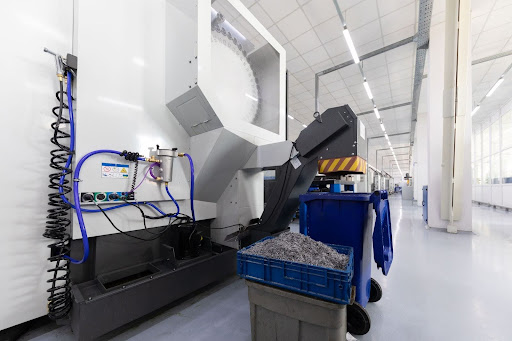
The plastic sector has never developed as rapidly, but 2025 has seen an accelerated tide of change. Between sustainability pressures and quick uptake of AI-based production systems, plastic master batch manufacturers are working amidst a scenario that is marked by innovation, regulation, and worldwide customer demand. Let's discuss the key trends influencing the sector this year.
Sustainability is no longer a buzzword—it forms the cradle of every industry's growth strategy. Manufacturers are more focused on manufacturing masterbatches that are biodegradable, recyclable, and environmentally friendly in 2025. Given that governments around the world are tightening up their ban on single-use plastics, the need for additive solutions that positively impact recyclability is at its peak. In response, investment in bio-based carriers and natural fillers has increased, ensuring that industries meet green regulations without compromising performance.
Closely tied to sustainability is the circular economy model. Plastic master batch manufacturers are actively designing solutions that not only improve the recyclability of plastics but also enable multiple processing cycles without degrading material quality. Advanced masterbatch formulations are now being created to support post-consumer recycled (PCR) plastics, allowing brands to meet their sustainability goals while retaining durability and visual appeal. In 2025, the circular economy is not just an aspiration—it’s a competitive advantage.
Smart manufacturing has become the backbone of efficiency. AI and machine learning are now widely applied across production processes to optimize extrusion, monitor quality, and predict equipment failures before they happen. Digital twins—virtual models of real production lines- are increasingly being adopted by plastic master batch manufacturers to test formulations and simulate outcomes without wasting material. This not only reduces costs but also ensures faster time-to-market for new masterbatch innovations.
The industry has moved beyond color and aesthetics. Functional additives are now leading the way, with innovations focused on flame retardancy, UV stability, antimicrobial properties, and improved mechanical strength. In 2025, demand for masterbatches that enhance product safety and longevity has skyrocketed, especially in construction, automotive, and packaging. These specialized solutions are helping industries meet stricter safety standards while differentiating their products in competitive markets.
Mass production is giving way to customization. Customers are increasingly seeking tailored masterbatch solutions designed for their unique applications, whether in medical devices, food-grade packaging, or high-performance automotive parts. Advances in lab technology and material science have enabled manufacturers to deliver precise, application-specific solutions without compromising efficiency. Customization has become a defining factor for long-term customer partnerships.
Emerging economies in Asia, Africa, and Latin America are witnessing a surge in demand for advanced plastics. With rapid urbanization, rising disposable incomes, and expanding infrastructure, specialty masterbatches are seeing record growth. These markets are adopting high-performance additives for packaging, healthcare, and automotive applications, creating fresh opportunities for global players. In 2025, expansion strategies are heavily focused on tapping into these fast-growing regions.
Stricter global regulations on plastic waste, chemical safety, and carbon emissions are forcing manufacturers to innovate faster than ever before. Compliance has shifted from being a challenge to becoming a driver of new formulations. Whether it’s REACH compliance in Europe, FDA standards in the US, or country-specific eco-label certifications, regulatory frameworks are guiding the way forward. Companies that align with these evolving requirements are securing long-term trust with global brands.
Man-hours are being substituted with robotic automation to maintain consistency, scalability, and lower downtime. Automated packaging, accurate dosing systems, and robot handling are now an integral part of production plants. This also increases efficiency and provides uniform quality, a point of prime importance in high-volume masterbatch manufacturing.
Nanotechnology stepped into the spotlight in 2025. Nano-additives are being integrated into masterbatch formulations to enhance barrier properties, electrical conductivity, and thermal resistance. Applications in electronics, aerospace, and medical devices are driving demand for these advanced solutions. While still relatively niche, nanotechnology is expected to grow exponentially in the coming years as industries seek more specialized performance.
The pandemic years highlighted vulnerabilities in global supply chains, and the lesson has not been forgotten. In 2025, plastic master batch manufacturers are building resilient, diversified supply networks and forming cross-border collaborations to mitigate risks. Local sourcing, regional manufacturing hubs, and digital supply chain monitoring tools are being prioritized to ensure reliability and flexibility in production.
The year 2025 is shaping the plastic masterbatch industry into a future-focused, technology-driven, and sustainability-oriented sector. From AI integration and nanotechnology to the rising influence of circular economy practices, manufacturers are continuously reinventing themselves to meet evolving global demands.
Kandui Industries, with its advanced technology, global reach, and commitment to innovation, stands at the forefront of these changes, delivering masterbatch solutions that align with the needs of modern industries while driving sustainable growth.
Expert content creator passionate about sharing insights and knowledge through engaging storytelling.
View all posts