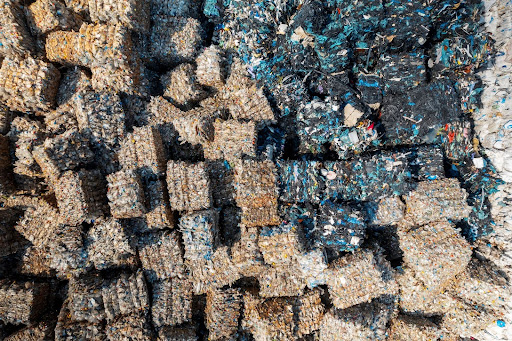
Plastics are the backbone of modern production, used in everything from packaging and automotive components to electronics and medical equipment. To manufacturers, knowledge of plastic raw materials is the key to ensuring quality, performance, and conformity. The correct material choice can drive durability, safety, cost-effectiveness, and even eco-friendliness. This guide summarizes the essentials manufacturers must know when handling plastic raw materials.
Raw materials for plastics are generally categorized under two groups: thermoplastics and thermosetting plastics.
Each has its own advantages; thus, the selection relies on the intended use of the product, desired performance, and processing technique.
When selecting plastic raw materials, manufacturers must consider several critical properties:
A balance of these parameters guarantees the end product to be safe, functional, and economical.
Raw plastics by themselves are not usually tailored to a manufacturer's specific needs. Additives and masterbatches step in here. Additives can improve properties of UV stability, fire retardance, anti-static performance, or antimicrobial performance. Masterbatches, highly concentrated blends of additives and pigments, enable customization of plastic materials with accuracy in processing.
For instance, carmakers might need flame-retardant or anti-scratch additives, whereas packaging firms tend to emphasize UV resistance and barrier functions. Masterbatches offer flexibility without the need to change the fundamental structure of the base resin.
Plastic raw materials are applied in nearly every industry. Examples include:
Every use highlights the importance of selecting the correct material to ensure functionality and safety compliance.
For producers, choosing a trusted partner is as crucial as selecting the proper raw material. Reputable plastic raw material suppliers in India offer consistent quality, technical support, and innovative solutions custom-made to industrial requirements. In a progressively competitive world of global markets, having the means to access high-performing, reliable materials can prove to be a major competitive advantage for producers.
Good suppliers also provide total support, including testing, international regulation compliance, and advice on how to select the most appropriate grades for particular applications. It not only minimizes risks but also makes production processes less difficult and results in improved quality.
Sustainability is revolutionizing the future of plastics. Indian manufacturers and plastic raw material suppliers in India are finding ways to implement biodegradable polymers, recyclable materials, and green additives. Policy and consumer pressure are driving the industry towards sustainable options without compromising on performance. Next-generation plastic products will be defined by advanced materials that combine durability with environmental stewardship.
Plastic raw material knowledge is critical to manufacturers who seek to develop quality, safe, and sustainable products. Ranging from an awareness of the contrast between thermoplastics and thermosets to the application of additives and masterbatches to tailor products, each choice affects performance and marketplace success.
Collaborating with reliable plastic raw material suppliers in India guarantees consistent quality, creativity, and regulatory compliance, keeping manufacturers competitive in a dynamic industry. Kandui Industries, with its state-of-the-art facilities and pursuit of excellence, remains the go-to partner for companies around the world looking for the best plastic raw material solutions.
Expert content creator passionate about sharing insights and knowledge through engaging storytelling.
View all posts