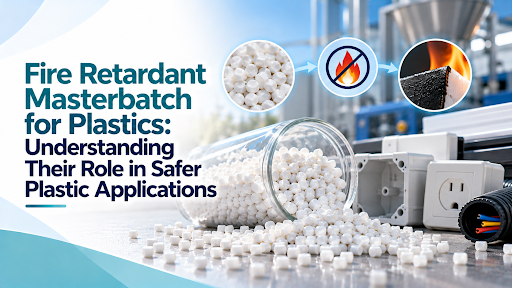
Selecting the right masterbatch supplier is an important decision for plastic manufacturers. The quality and suitability of a masterbatch can influence the colour, appearance, and processing requirements of the final product. With different formulations available for different polymers and manufacturing needs, businesses must evaluate suppliers carefully before making a long-term commitment. Comparing plastic masterbatch manufacturers based on product range, quality control, research capabilities, and customer support can help manufacturers find solutions that meet their requirements and support consistent production.
Before approaching a supplier, identify what you need the masterbatch to achieve. The right choice depends on the type of plastic being processed, the intended application, and the properties required in the finished product.
For example, manufacturers may need colour consistency, a particular level of opacity, or additives suited to specific processing requirements. A masterbatch developed for one polymer or application may not automatically be suitable for another.
Consider the following factors before making a decision:
Clear specifications help suppliers understand your needs and recommend an appropriate solution.
A supplier with a suitable range of masterbatches can help businesses address different production requirements through one supplier relationship. However, a broad catalogue alone is not enough. The products must match your material, application, and quality expectations.
Common masterbatch categories include:
Engineering plastic compounds may also be relevant for businesses working with particular polymer requirements. Reviewing the supplier's portfolio helps establish whether it can support your current needs and potential future projects.
Consistent quality is essential for manufacturers working with repeat orders and established product specifications. Variations between batches can create differences in colour, appearance, or processing behaviour, making quality control an important part of supplier evaluation.
Ask potential suppliers how they manage raw materials, manufacturing processes, laboratory testing, and batch-to-batch consistency. It is also useful to understand how they assess whether a formulation meets the agreed specifications.
Before finalising a purchase, consider requesting a sample for evaluation under your production conditions. Check whether the material meets your requirements and discuss any differences with the supplier's technical team.
A supplier with appropriate laboratory facilities and established quality control procedures can provide greater clarity during product selection. The objective is to establish a dependable process for evaluating and maintaining product consistency rather than relying only on a product description or quoted price.
Manufacturing requirements can differ considerably between industries, products, and production processes. In some cases, an existing formulation may meet the requirement. In others, the manufacturer may need a customised colour or a solution developed around specific material requirements.
This is where research and development capabilities become important. A supplier with relevant technical expertise and laboratory facilities can help assess requirements and explore suitable formulations.
When evaluating R&D capabilities, ask about:
Plastic masterbatch manufacturers that combine product development capabilities with practical technical support can be valuable when production requirements change or standard formulations do not meet the desired specifications.
Explore Kandui's range of colour, additive, white, and black masterbatches, along with filler masterbatches and speciality compounds. Discuss your polymer type, application, and production requirements with the team to identify suitable product options.
A masterbatch must be available when your production schedule requires it. Delayed deliveries can disrupt planning, while inconsistent supply can make it difficult to maintain regular manufacturing operations.
Before selecting a supplier, understand its production capacity, order management process, and ability to support your expected demand. Ask about typical lead times, minimum order quantities where applicable, and how changes in order volume are handled.
You should also consider the supplier's distribution capabilities if your business operates across multiple locations or markets. A supplier with experience serving different markets may be better positioned to understand varied supply requirements.
Rather than judging supply reliability by capacity figures alone, discuss your actual requirements and confirm the arrangements available for your orders.
The supplier relationship should extend beyond placing an order. Clear communication and access to relevant technical assistance can help resolve product selection questions, evaluate samples, and address issues that arise during manufacturing.
Look for a supplier that takes time to understand your application and provides clear information about product suitability. The ability to discuss formulation requirements, review trial results, and coordinate with technical teams can make the purchasing process more straightforward.
It is also worth assessing how quickly the supplier responds to enquiries and whether support is available when production-related questions arise. Reliable communication helps both parties understand expectations and work towards agreed requirements.
Price is an important factor, but the lowest quotation does not necessarily represent the best overall value. The suitability of the formulation, consistency of supply, quality control, and support provided should also influence the decision.
When comparing quotations, review the products and specifications being offered. Check whether the proposed masterbatch meets your requirements and clarify any differences in formulation, dosage recommendations, order quantities, or supply arrangements.
Consider the overall purchasing experience, including product evaluation, technical communication, and the supplier's ability to meet agreed requirements. A balanced assessment helps businesses make decisions based on suitability and reliability rather than price alone.
Experience in the masterbatch industry can help a supplier understand the challenges manufacturers face when working with different materials and production requirements. However, experience should be considered alongside technical capabilities, product suitability, and the supplier's approach to customer service.
Review the supplier's manufacturing background, product development capabilities, and experience serving relevant industries. If your business operates in multiple markets, consider whether the supplier can support your geographical and supply requirements.
It is also helpful to discuss previous experience with similar materials or applications. This conversation can give you a better understanding of the supplier's capabilities and help you assess whether its products are appropriate for your needs.
Selecting a masterbatch supplier requires a clear understanding of your material requirements, product specifications, quality expectations, and production schedule. Evaluating these factors together helps you identify a supplier that offers suitable products, dependable supply, and relevant technical support.
For businesses exploring plastic masterbatch manufacturers, Kandui Industries is a strong option to consider. Established in 2006, the company offers a broad portfolio that includes additive, white, black, and colour masterbatches, filler masterbatches and speciality compounds, masterbatches for man-made fibres, and engineering plastic compounds. Its manufacturing facilities in Daman, research and development capabilities, and focus on batch-to-batch consistency make Kandui a suitable option to evaluate for your masterbatch requirements. By reviewing your application needs and discussing them with the Kandui team, you can determine which solutions best align with your manufacturing objectives.
Choosing a masterbatch supplier involves evaluating product suitability, quality consistency, technical support, and supply requirements. Contact Kandui Industries to discuss your application and explore its range of masterbatch solutions for plastic manufacturing.
Expert content creator passionate about sharing insights and knowledge through engaging storytelling.
View all posts